


In times when, following the lead of the United States, ‘first’ is always placed before the name of the country (choose one, if you are so kind), Spain having doubled its Official Development Assistance since 2023 makes all Spaniards suspicious of being ‘dangerous multilateralists’ willing to undermine the foundations of the West.
According to OECD data, in 2025 Spain’s Official Development Assistance (ODA) increased by 13%, reaching 0.27% of Gross National Income, in a year when global ODA fell by 26%, mainly due to cuts made by four of the main donors so far: France, Germany, the United Kingdom, and the United States.
The data from 2025 confirms the steady pace that the increases in the economic allocations that Spain has dedicated to ODA since 2023 have followed, when they rose to 3.88 billion euros.
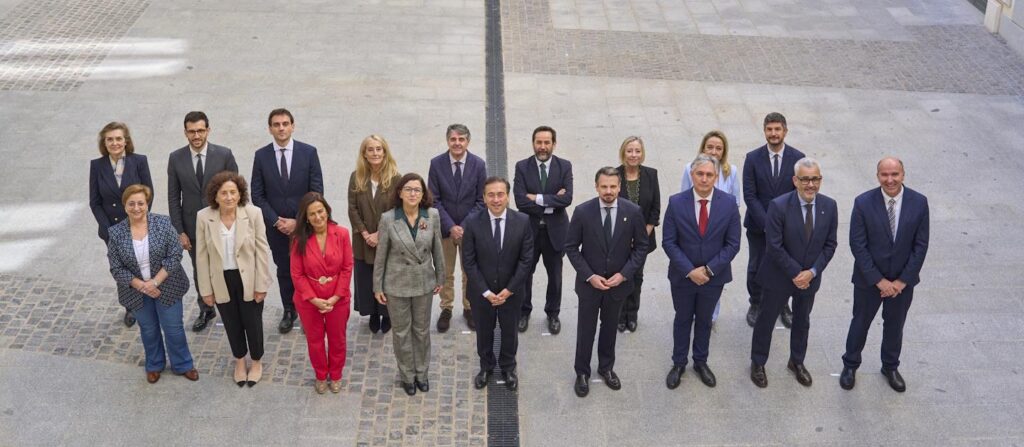
In 2024 they grew by 12% and exceeded 4 billion euros while in 2025 they reached 4.55 billion euros, the highest amount contributed by Spain in the last 15 years, as was evident during the second meeting of the Sectoral Conference on Cooperation for Sustainable Development and Global Solidarity, chaired by Minister José Manuel Albares and attended by representatives from all autonomous communities.
However, while Spain contributes more funds for Official Development Assistance, the trend that the OECD foresees is much more pessimistic and predicts reductions between 9% and 17%, in line with the greater contraction of donations from the richest countries in 2024 and 2025.
Their contributions were reduced by 23.1% in 2025. And the worst part is that this is not a temporary setback. In the last 30 years —practically since the OECD established the system— it is the first time that Germany, France, the United Kingdom, and the United States have simultaneously cut their contributions for the second consecutive year.
These reductions have caused Spain, which was in 22nd place among OECD donors in 2023, to move to twelfth place by volume of ODA within the OECD Development Assistance Committee (DAC) and to fourth place among all DAC countries with the highest growth in their absolute figures for 2024 compared to 2023. In that scenario, only 10 countries grew in their figures and the other 22 declined, causing a total drop in ODA from DAC countries of 7.1%.
Meanwhile, the second Sectoral Conference on Cooperation, according to the Ministry, served ‘to consolidate a more plural and coherent cooperation approach, integrating all levels of administration with the aim of strengthening Spain’s response to major global challenges.’
During the meeting, which takes place at least once a year, a review of the main milestones of the Spanish Cooperation was made and priorities for the current year were addressed. One of the highlighted axes was the progress towards the commitment to allocate 0.7% of GNI to Official Development Assistance by 2030.
The Conference also focused on strengthening the transparency and effectiveness of cooperation. Among the ongoing initiatives is the development of a shared indicator system among all administrations —central, regional, and local— as well as the promotion of technical cooperation, facilitating the participation of professionals from various public administrations in international projects.