From Hormuz to Malacca, the planet’s most critical maritime passages act as vital bottlenecks where international trade, energy security, and diplomatic tensions of great powers converge.
In an interconnected world where more than 80% of global trade is transported by sea, the geopolitical and economic stability of nations is not decided solely in capitals or diplomatic offices, but in narrow water channels scattered across the planet’s geography. These natural passages, known as strategic straits or ‘chokepoints’, are true arteries through which millions of barrels of oil, essential raw materials, and consumer goods flow daily. Their control, vulnerability, or potential blockage represent constant headaches for military strategists, diplomats, and global security analysts, making their preservation an absolute priority for the world order.
The cartography of global power is largely drawn through its maritime routes. Across the geography of the planet, there are points where the oceans narrow and the fluidity of international trade is subject to strips of water just a few kilometers wide. These passages not only condition the routes of container ships but also act as thermometers of contemporary geopolitics: any friction, accident, or armed conflict in their vicinity immediately impacts energy markets and global supply chains.
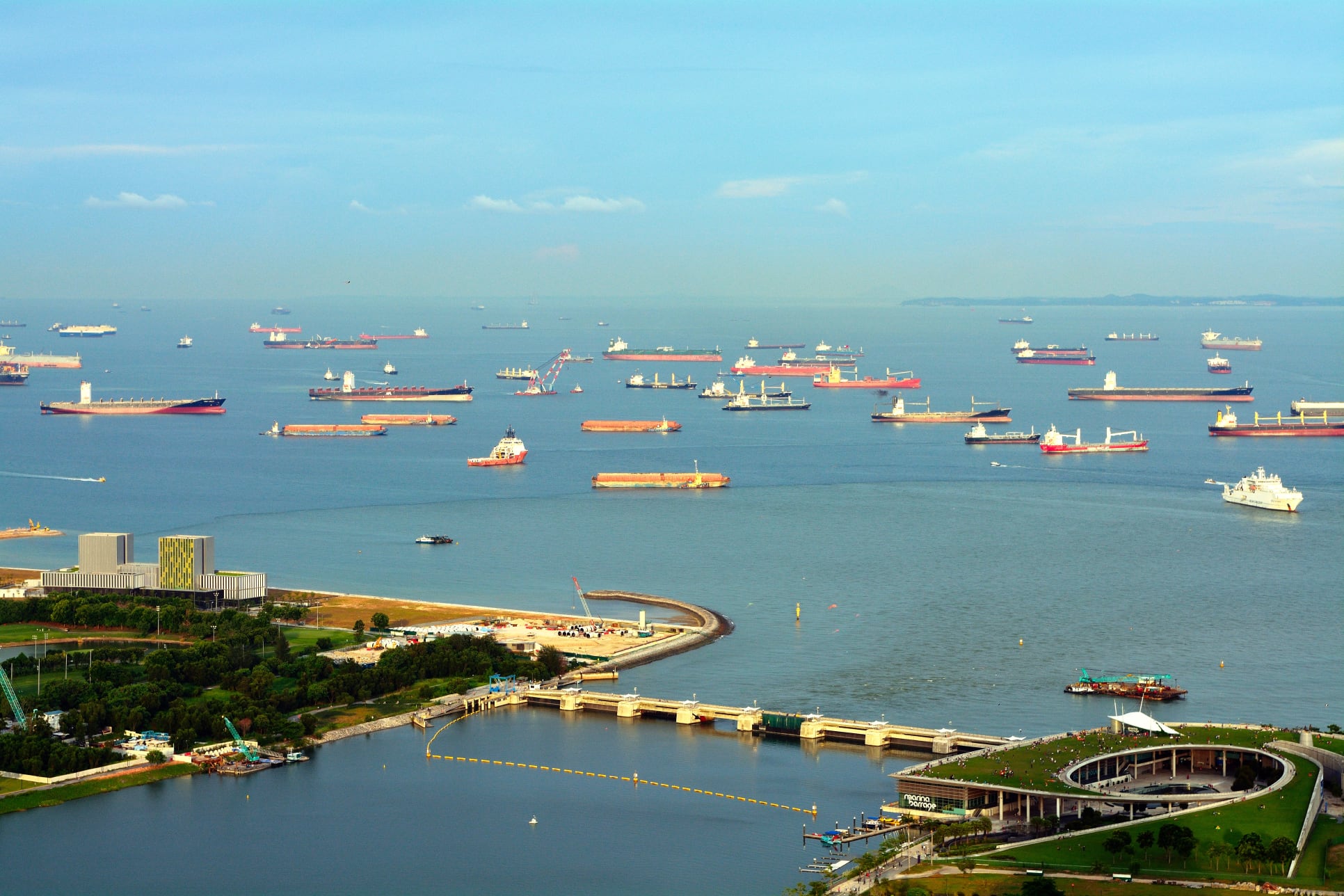
Among these funnels of trade, the Malacca Strait stands out above all, located between the Malay Peninsula and the Indonesian island of Sumatra. It is the most trafficked navigation route in the world, connecting the Indian and Pacific Oceans, and nearly a quarter of global maritime trade and most of the energy supply that fuels the economies of East Asia flows through it. Very close by, the Indonesian straits of Sunda and Lombok serve as vital alternatives when traffic in Malacca is saturated or suffers security disturbances, offering deep routes for supertankers heading north.
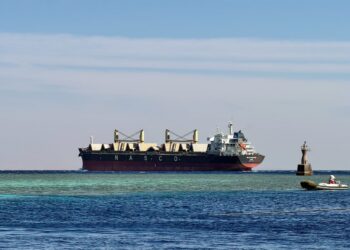
In the turbulent region of the Middle East, the Strait of Hormuz stands as the most critical oil chokepoint on the planet. Located between Oman and Iran, this passage connects the Persian Gulf with the Gulf of Oman, and approximately one-fifth of the oil consumed globally flows through its waters. The recent closure of this point by Iran has immediately triggered turbulence in stock markets and crude prices. Connected to this theater of operations via the Red Sea is the Bab el-Mandeb Strait, situated between Yemen and the Horn of Africa, a fundamental gateway to the Suez Canal that links trade between Asia and Europe, and whose instability in recent months has also demonstrated the devastating impact of asymmetric warfare on commercial navigation.
In the European continent and its peripheries, the Strait of Gibraltar remains the geopolitical bridge between Europe and Africa, controlling access between the Atlantic Ocean and the Mediterranean Sea. Further north, the English Channel (with the Strait of Dover at its narrowest point) records one of the highest maritime traffic densities on the planet, and the North Sea with the Atlantic. Navigation in the Baltic and the exit to the Atlantic depend on the Danish straits—comprising the Kattegat and the Skagerrak—key for the commercial traffic of Scandinavian, Baltic, and Russian countries.
To the east of Europe, the Bosphorus Strait and the Dardanelles, collectively known as the Turkish straits, regulate geopolitical and military access between the Black Sea and the Mediterranean, historically governed by the Montreux Convention. In that same Black Sea basin, the Kerch Strait, between the Crimean Peninsula and Russia, has become an epicenter of sovereign disputes and war tensions. Likewise, in the Mediterranean basin, the Messina Strait (between the Italian peninsula and Sicily) and the Sicily Canal ensure the fluidity and security of traffic in the heart of southern Europe.
The Indo-Pacific harbors some of the points of greatest friction between great powers. The Taiwan Strait, which separates the island of Taiwan from mainland China, represents one of the hottest geopolitical points of the 21st century, where freedom of navigation constantly intersects with sovereignty claims. North of the Philippines, the Luzon Strait connects the South China Sea with the Pacific Ocean, being crucial for routes between Southeast Asia and the major economies of America and East Asia. Further north, the Japanese straits of Tsugaru and La Perouse (or Sōya) are vital for naval transit between the Sea of Japan and the Pacific, under the watchful eye of Tokyo, Moscow, and Beijing.
In Oceania, the Torres Strait (between Australia and Papua New Guinea) and the Bass Strait (between mainland Australia and Tasmania) facilitate island communications and the protection of valuable marine ecosystems. Meanwhile, in New Zealand, the Cook Strait connects the two main islands of the country, sustaining inter-island trade in an environment of complex weather conditions.
The American continent holds strategically and environmentally invaluable passages at its northern and southern extremes. In the south, the Strait of Magellan, the Drake Passage, and the Beagle Channel connect the Atlantic with the Pacific, serving as alternative routes to the famous Panama Canal and mandatory passages for Antarctic research and logistics. Regarding the latter, it is worth noting the crucial weight it has for the United States, as it allows cutting thousands of kilometers between the Atlantic and the Pacific and is the origin or destination of more than two-thirds of the goods that cross its locks.
In the northern hemisphere, the Strait of Florida ensures the exit of the Gulf of Mexico to the Atlantic, essential for North America’s energy supply, while the Bering Strait, at the northernmost tip between Alaska and Siberia, gains unprecedented geopolitical relevance as Arctic melting opens new trade routes between the West and Asia.
Modern diplomacy recognizes that freedom of navigation in these passages is not just a matter of international maritime law regulated by the United Nations, but the pillar upon which the global economy rests. Preserving security, preventing piracy, and ensuring free circulation in these bottlenecks will remain the highest strategic priority for global balance in the coming decades.