
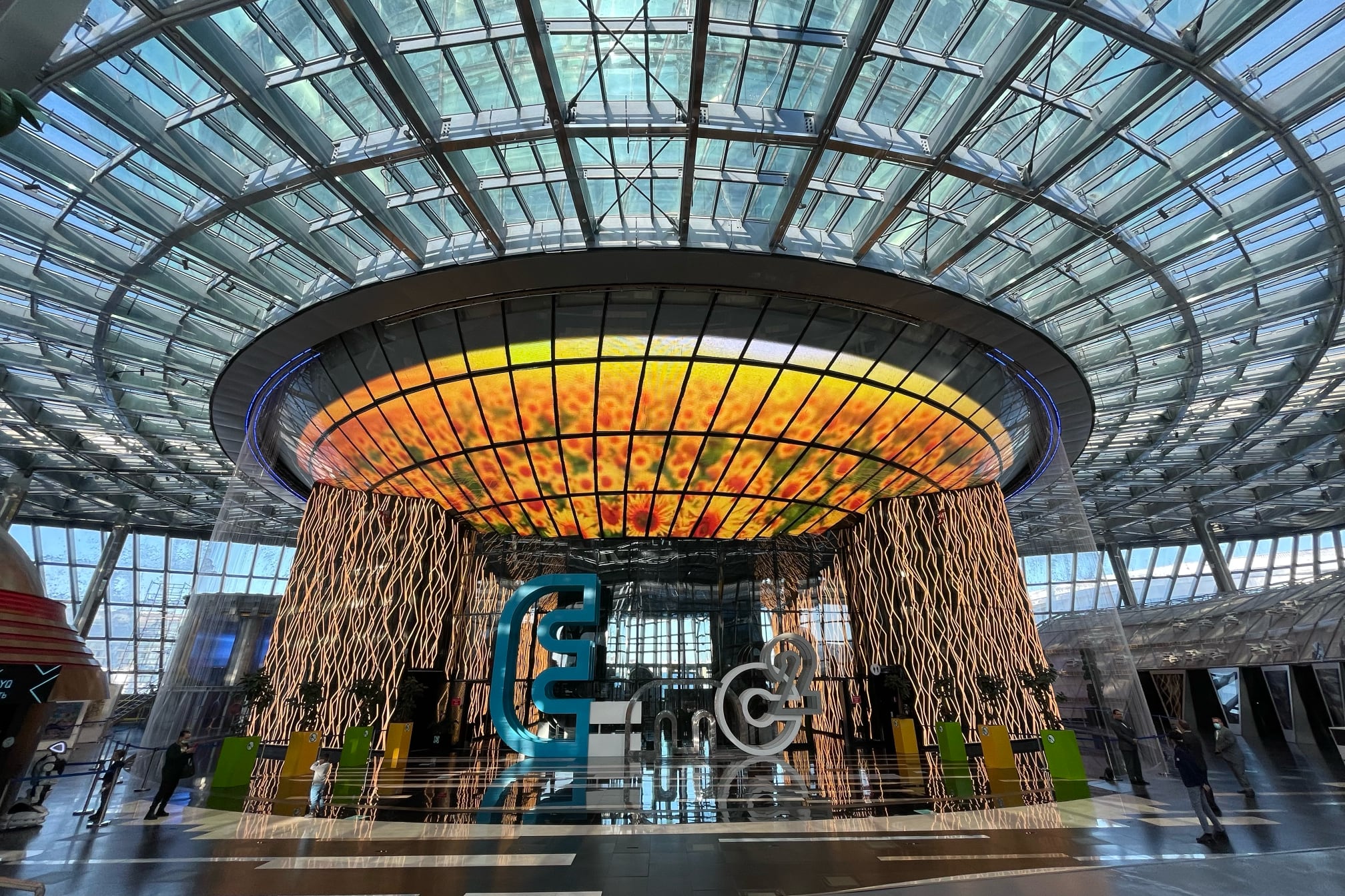
Kazakhstan remains one of the most unknown – and surprising – destinations in Eurasia. For many Europeans, the country still evokes images of endless steppes and ancient nomadic routes.
However, the tourist reality of Kazakhstan is much more diverse: reddish canyons reminiscent of the American Colorado, alpine lakes comparable to Switzerland or Canada, Martian-looking deserts, and modern futuristic cities in the heart of Central Asia.
With an area equivalent to all of Western Europe, Kazakhstan offers a type of tourism increasingly valued by European travelers: authentic nature, open spaces, low overcrowding, and unique cultural experiences.
The Great Steppe: the soul of the country
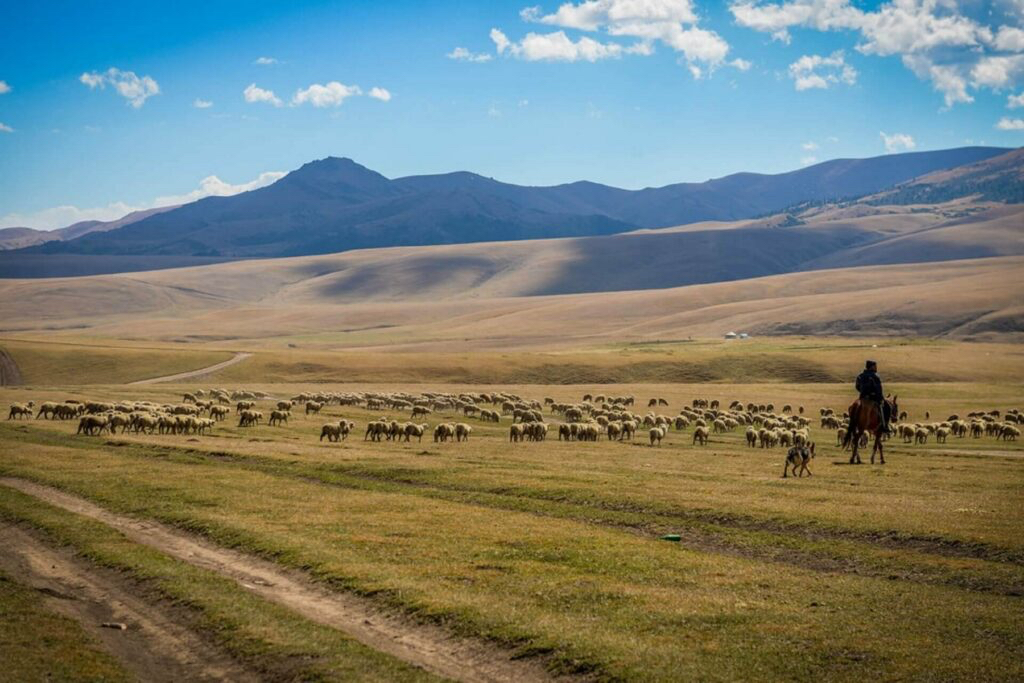
For centuries, the steppe defined the life of the Kazakh nomadic peoples. Traveling through the plains of the country means discovering a culture deeply linked to freedom, to the horse, and to the infinite horizon.
In regions like Turkistan, Ulytau, or the center of the country, it is still possible to stay in traditional yurts, try beshbarmak – the national dish of Kazakhstan – and experience horseback riding in practically untouched landscapes.
For many Spanish visitors, Kazakhstan represents an unusual feeling in Europe: the vastness. Almost empty roads, enormous skies, and a nature that conveys silence and scale.
Astana: the futuristic capital of Eurasia
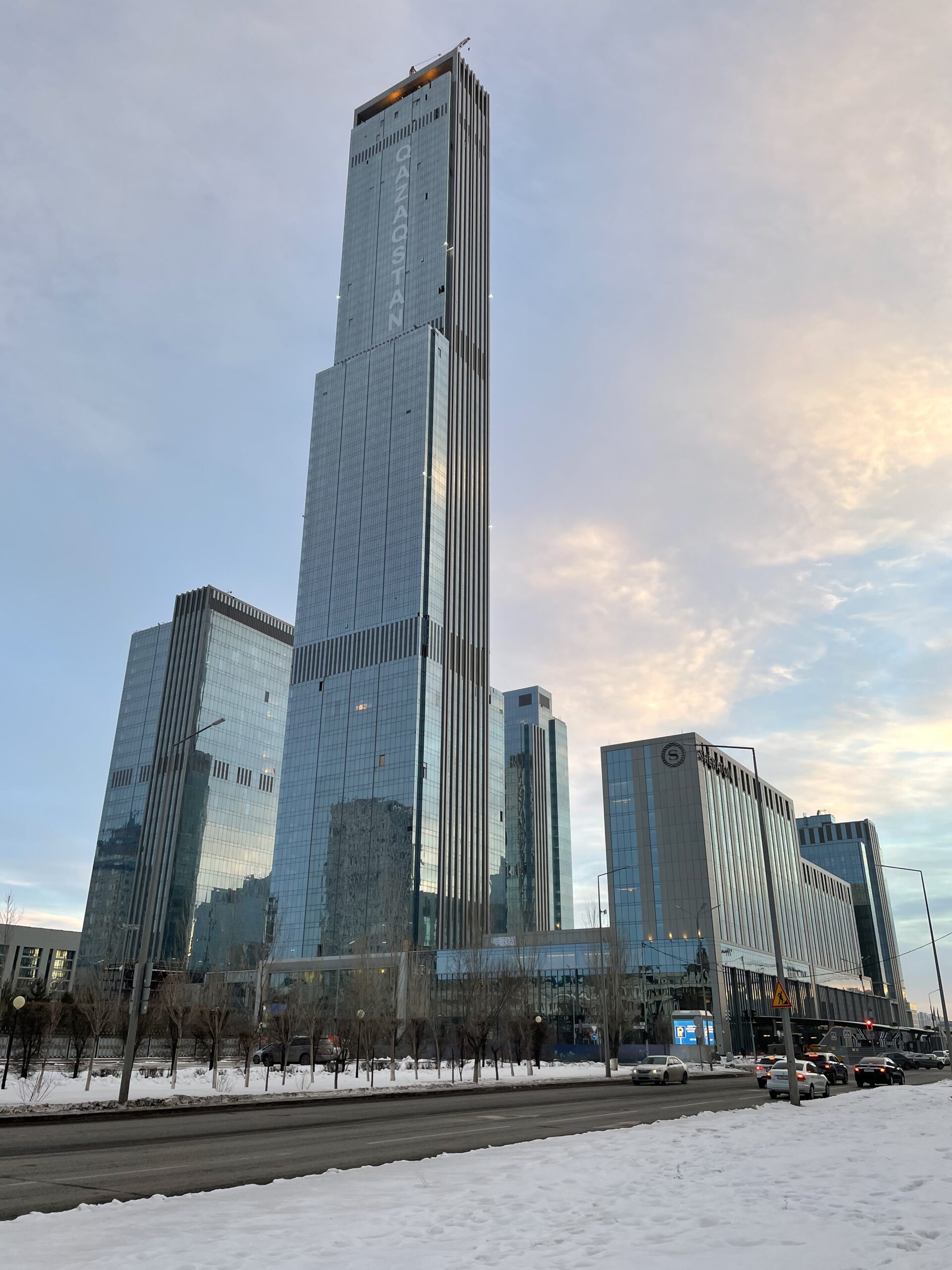
Astana, the capital of Kazakhstan, surprises with its ultra-modern architecture and rapid development.
In just a few decades, the city went from being a small regional capital to becoming one of the symbols of the new Kazakhstan.
Futuristic skyscrapers, wide avenues, and buildings designed by international architects create a unique urban image in Central Asia.
Monuments like the Bayterek tower, the Khan Shatyr shopping center, or the Hazret Sultan mosque have become new tourist icons of the region.
For many European visitors, Astana conveys the feeling of seeing a mix between Dubai, Singapore, and a Euro-Asian city built in the middle of the steppe.
Shymkent and Turkistan: tradition and historical heritage
Shymkent represents a completely different face of Kazakhstan.
Warmer, more eastern, and deeply linked to the traditions of Central Asia, the city stands out for its bazaars and renowned gastronomy.
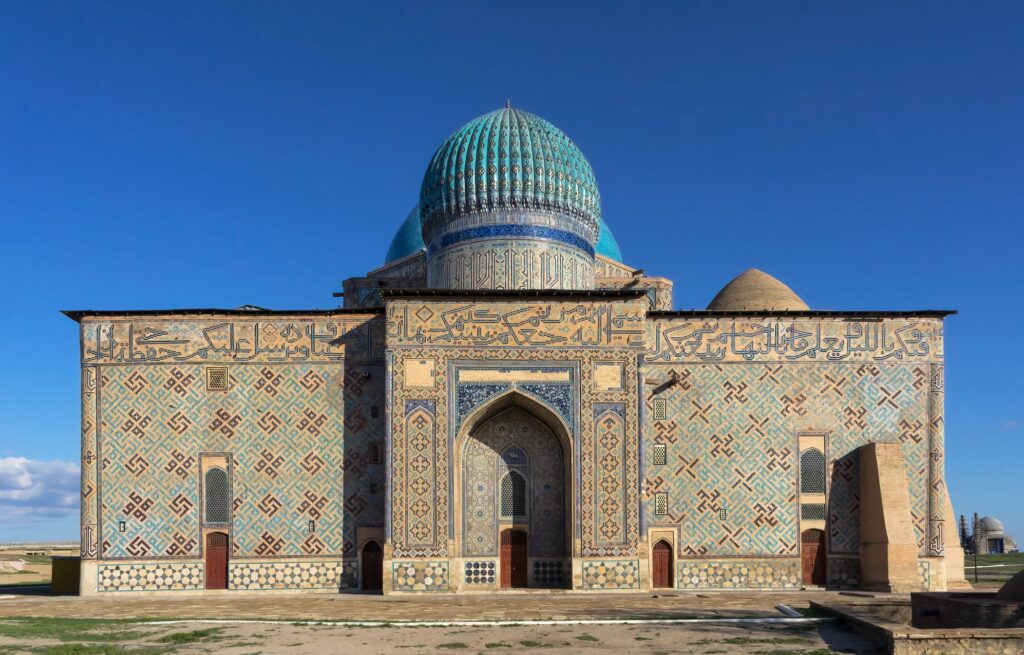
Very close is Turkistan, one of the main spiritual centers of the Turkic world.
The mausoleum of Khoja Ahmed Yasawi, declared a UNESCO World Heritage Site, attracts more and more international visitors interested in the history and culture of the Silk Road.
The south of the country offers a particularly authentic and hospitable experience.
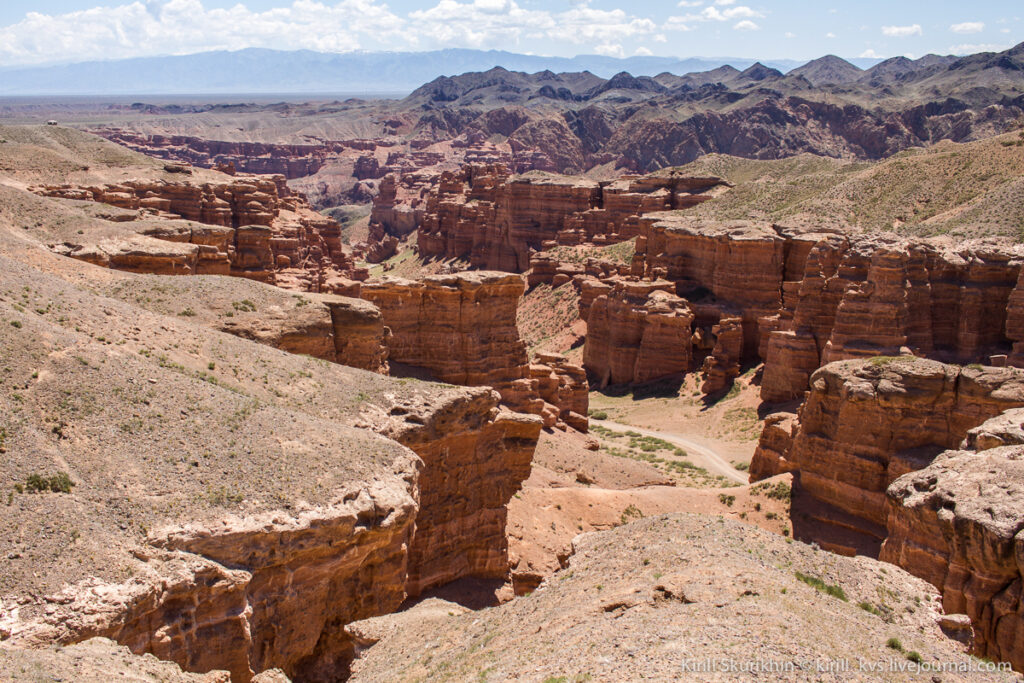
The Charyn Canyon: the “Grand Canyon” of Central Asia
One of the most impressive places in the country is the Charyn Canyon, located a few hours from the ancient capital Almaty. Its reddish rock formations, sculpted by millions of years of erosion, resemble the American West.
The so-called “Valley of Castles” is especially popular among photographers and hikers. Many tours combine the canyon with nearby alpine lakes, creating routes that surprise even experienced travelers.
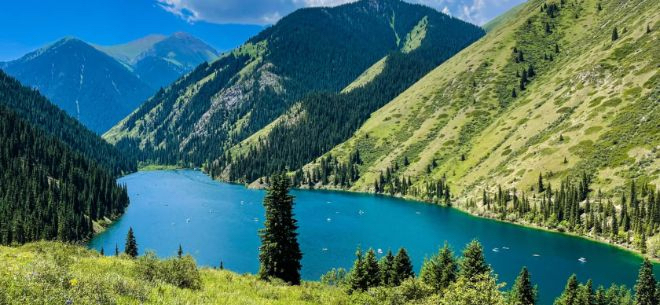
The Kolsai and Kaindy lakes: the Alps of Kazakhstan
Very close to the border with Kyrgyzstan are the Kolsai and Kaindy lakes, considered among the most beautiful natural landscapes in Central Asia.
The Kolsai lakes are surrounded by coniferous forests and Tian Shan mountains, offering a landscape that many compare to Canada or Switzerland.
Lake Kaindy, on the other hand, is famous for the tree trunks that emerge from its turquoise waters after an earthquake that occurred over a century ago. The result is an almost surreal setting, especially attractive to photographers and ecotourism lovers.
In summer, the region allows for hiking, horseback riding, and camping; in winter, the snowy environment creates spectacular alpine landscapes.
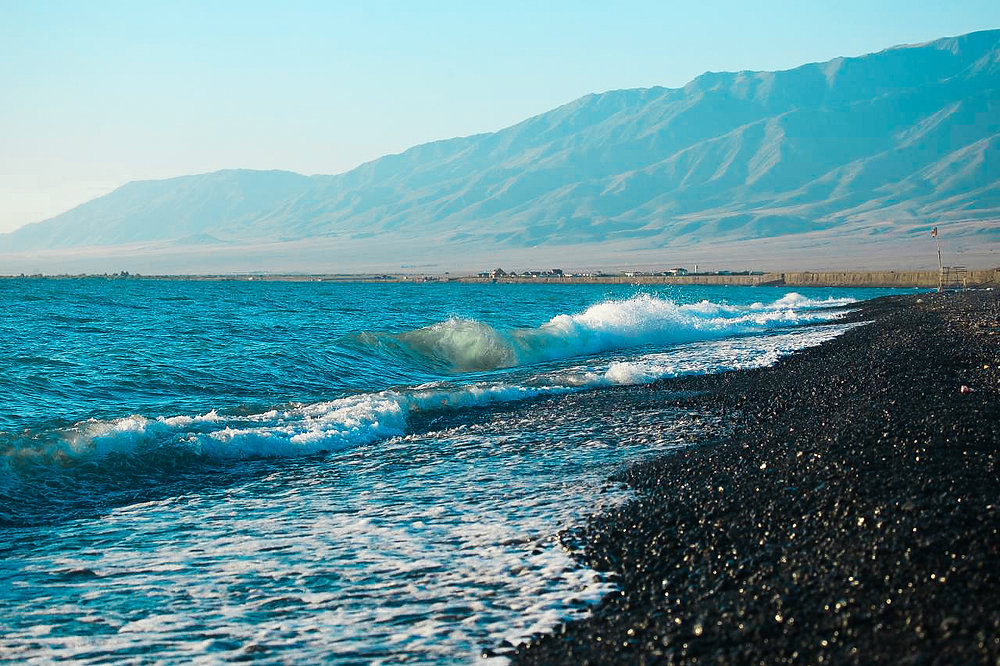
Alakol: the inland sea of Kazakhstan
Lake Alakol has become one of the most popular summer destinations in the country.
Its waters, known for their high mineral content, have been considered beneficial for health for centuries.
Situated between mountains and semi-desert landscapes, Alakol combines beaches, nature, and tranquility.
Every year it attracts thousands of tourists seeking rest away from overcrowded destinations.
The region is also known for its biodiversity and for being a habitat for numerous migratory birds.
Burabay: the “Kazakh Switzerland”
In the north of the country, the Burabay National Park offers a completely different landscape from the traditional steppe imagery.
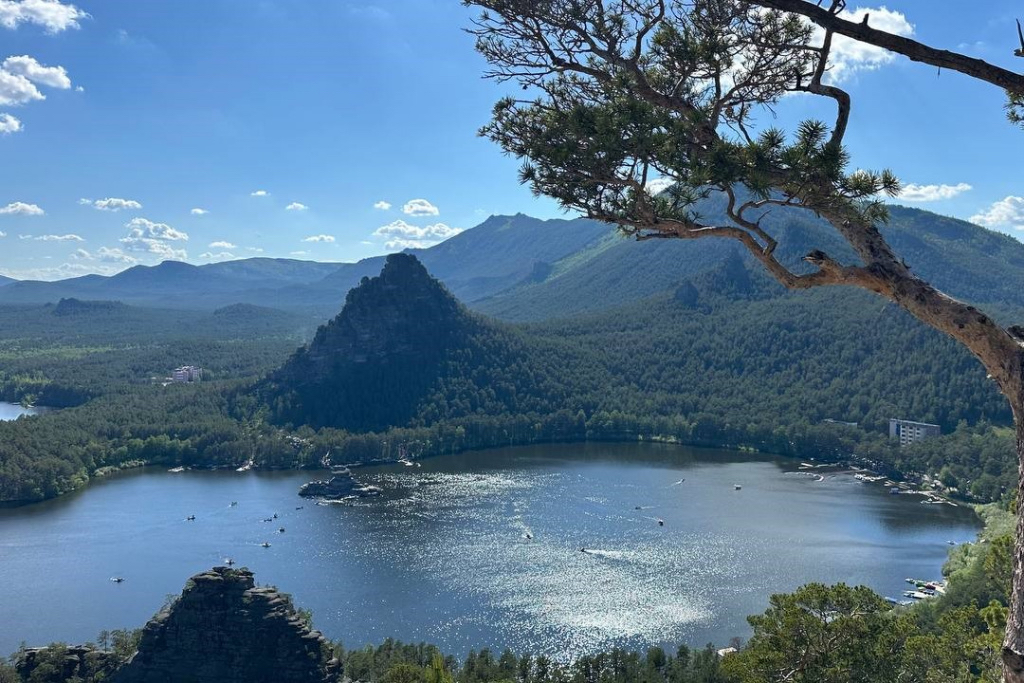
Pine forests, crystal-clear lakes, and gentle mountains create an environment that many compare to the Alps or Scandinavia.
Burabay is one of the main destinations for domestic tourism and an ideal place for hiking and outdoor activities.
The region also combines local legends, Kazakh culture, and modern tourist complexes.
Baikonur: space tourism in the heart of Asia
Kazakhstan also houses one of the most emblematic places in the history of world space exploration: the Baikonur Cosmodrome.
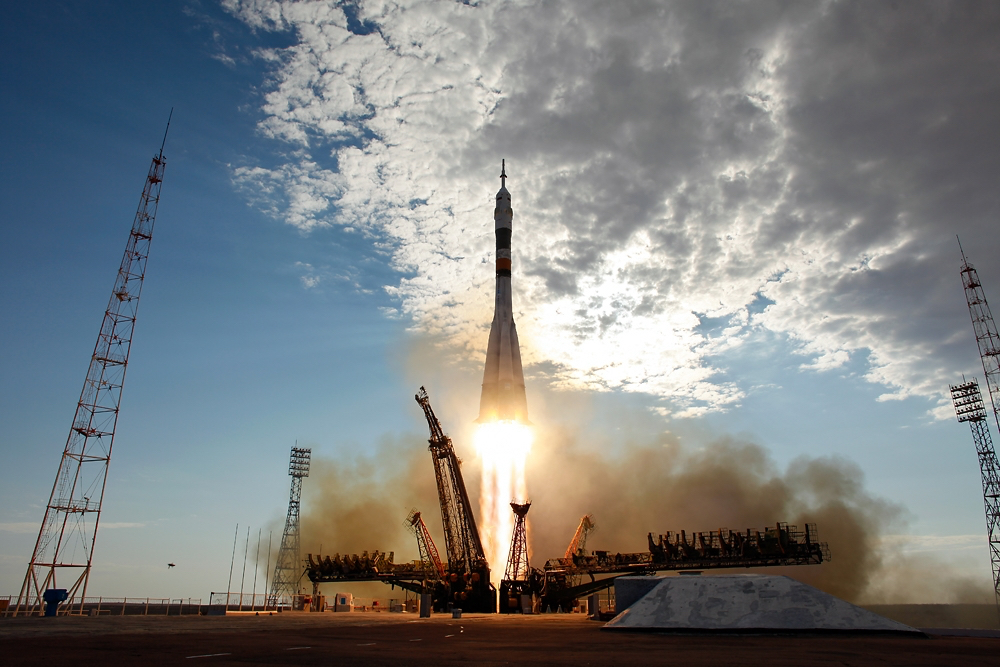
From here Yuri Gagarin launched, the first human to travel to space, in 1961.
Currently, Baikonur continues to be a key center for international space launches.
More and more foreign tourists visit the region to witness rocket launches and discover the history of space exploration.
For many European travelers, Baikonur represents a unique experience that combines science, history, and adventure.
Mangystau and Bozzhyra: landscapes from another planet
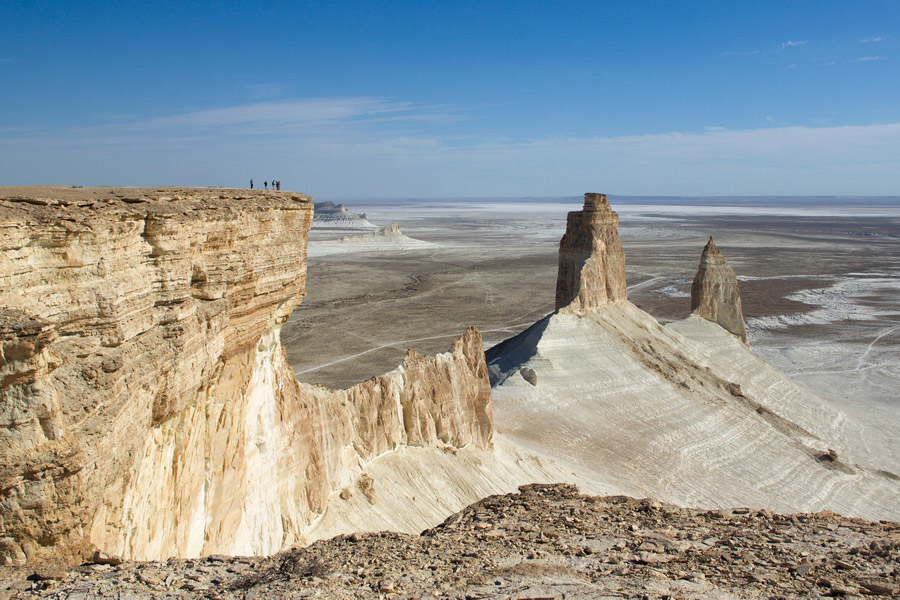
If the southeast of the country resembles the Alps, the western region of Mangystau seems taken from Mars.
The Bozzhyra valley, located on the Ustyurt plateau, has become one of the most photographed places in Kazakhstan thanks to its gigantic white limestone formations and almost unreal desert landscapes.
The area increasingly attracts European travelers interested in expeditions, nature photography, and adventure tourism. Sleeping under a completely starry sky in the middle of the desert is an experience hard to find in Europe.
Almaty: the gateway to nature tourism
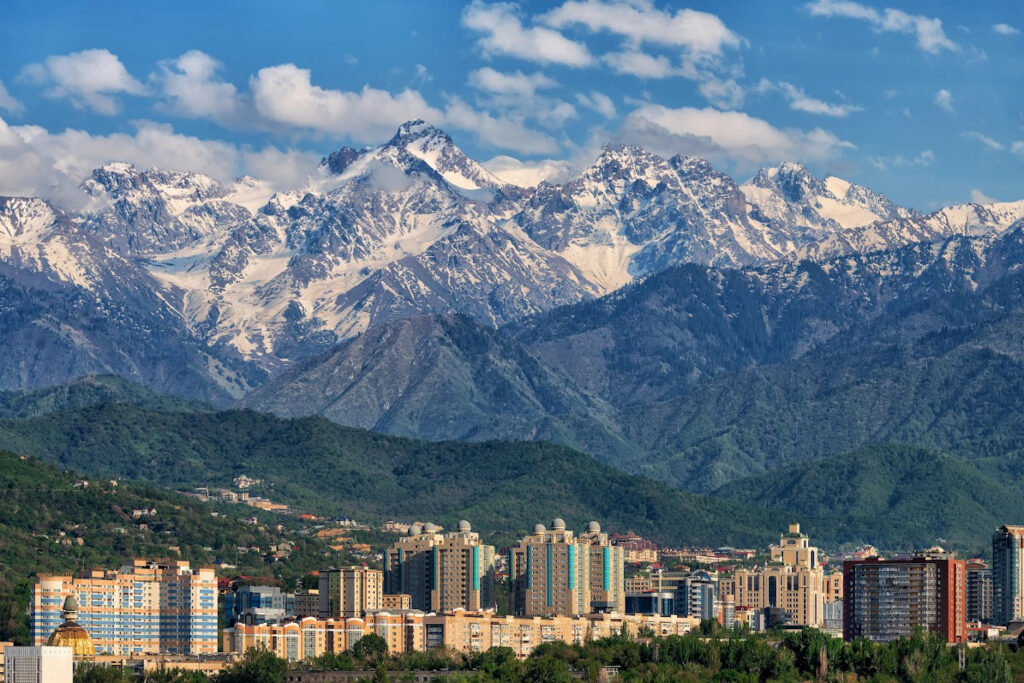
Most tourist routes begin in Almaty, the former capital and main cultural center of the country.
The city combines modern cafes, international cuisine, and a strong Central Asian identity. What is most unique is its proximity to the mountain: in less than an hour you can go from the urban center to ski resorts, alpine lakes, or trekking routes.
For the Spanish visitor, Almaty often results in an unexpected mix between Europe, Asia, and wild nature.
An still authentic destination
Unlike many saturated tourist destinations, Kazakhstan still maintains a sense of discovery. Precisely there lies much of its appeal.
The country is increasingly betting on ecotourism, adventure tourism, and cultural routes linked to the Silk Road. Furthermore, the improvement of infrastructure and the growing air connectivity are facilitating access for European travelers.
Kazakhstan does not compete with classic Mediterranean destinations. It offers something different: extreme nature, authenticity, and the feeling of exploring one of the last great territories little known in the world.