


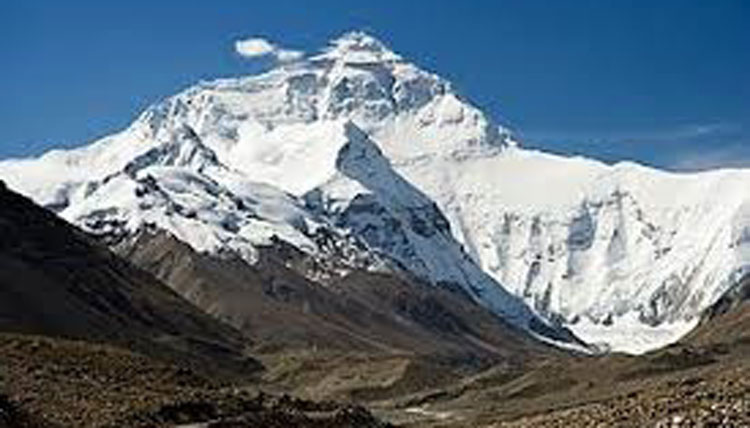
The tourism website Caribbean News Digital has reported on the scandal engulfing the Everest region after a multimillion-dollar insurance fraud network involving thousands of unnecessary or fabricated rescues was revealed.
According to police investigations completed in 2026, mountain guides, tour operators, and hospital executives would have orchestrated a scheme to extract nearly 20 million dollars from international insurance companies. The Central Investigation Bureau (CIB) of Nepal has presented a 748-page charge sheet, accusing 32 individuals under the Organized Crime Prevention Act for coordinating helicopter evacuations without real medical justification between 2022 and 2025.
The fraudulent scheme operated by manipulating medical documents and flight records to inflate the costs claimed from the mountaineers’ insurance. Investigators discovered that flights transporting several passengers were billed as individual emergency evacuations, and in many cases, tourists did not even enter the clinics for which treatment invoices were issued. This lack of integrity in hospitality and emergency services has called into question the reputation of the trekking industry in Nepal, affecting the trust of the more than 4,700 climbers who passed through the area in the last three years.
Despite sensationalist reports in international media suggesting the deliberate poisoning of tourists to force rescues, the CIB has categorically denied these claims. The Senior Police Superintendent, Shiva Kumar Shrestha, clarified that no evidence of toxic substances mixed in the food at base camps has been found. However, the agency acknowledged that the persistence of this “fake rescue business” severely damages the prestige and dignity of Nepal as a leading destination in global mountaineering, emphasizing that laxity in previous sanctions allowed these criminal practices to flourish.
This scandal arises at a time of high vulnerability for the Nepali economy, where tourism represents a cornerstone of national development. The cost of an expedition to Everest has dramatically escalated since the 1990s, now ranging between 33,000 and 55,000 pounds sterling, incentivizing desperate behaviors to recover investments through the distribution of fraudulent insurance dividends. The perception that Everest has become a commercial “circus” threatens to deter serious mountaineers, directly impacting the prosperity of Sherpa communities and air logistics services.
To attempt to restore the credibility of the destination in 2026, the government of Nepal has announced a tightening of requirements for climbers and an increase in ascent permit fees. These oversight measures aim to filter out operators of dubious reputation and ensure that innovations in mountain safety are real and not a facade for illicit profit. Nepal’s competitiveness as an adventure hub now depends on its ability to implement structural reforms that eliminate incentives for fraud and protect the physical integrity of international visitors.
The rescue aviation industry also faces unprecedented scrutiny, as helicopter operators have been identified as key players in the logistics of fraud. The lack of a unified control center for emergencies in the Himalayas has facilitated private companies to operate without effective oversight from the Ministry of Tourism. The international insurance community has warned that, without drastic changes, premiums for traveling to Nepal could skyrocket or, in the worst-case scenario, exclude coverage for high-altitude evacuations, paralyzing the flow of expedition flights.
In conclusion, the case of the fake rescues on Everest is a reminder of the risks a destination faces when extreme commercialization surpasses ethical regulation. The resilience of tourism in Nepal will be tested as authorities process the detainees and seek to clean the image of their most powerful symbol. With an eye on the rest of this year’s season, transparency in medical reports and honesty in mountain hospitality will be the only paths to ensure that the top of the world remains a legitimate sporting challenge and not a stage for organized crime.