The Cypriot presidency cannot be analyzed in isolation. It is part of the trio of presidencies made up of Poland, Cyprus, and Ireland, a framework for cooperation of eighteen months designed to ensure the continuity of the action of the Council of the European Union.
In this context, the Cypriot semester has played a linking role between the work initiated by Warsaw and the negotiations that Dublin will have to conclude during the second half of 2026. This institutional continuity has allowed for the momentum to be maintained on strategic files such as enlargement, the new Multiannual Financial Framework, competitiveness, security, and the strategic autonomy of the Union.
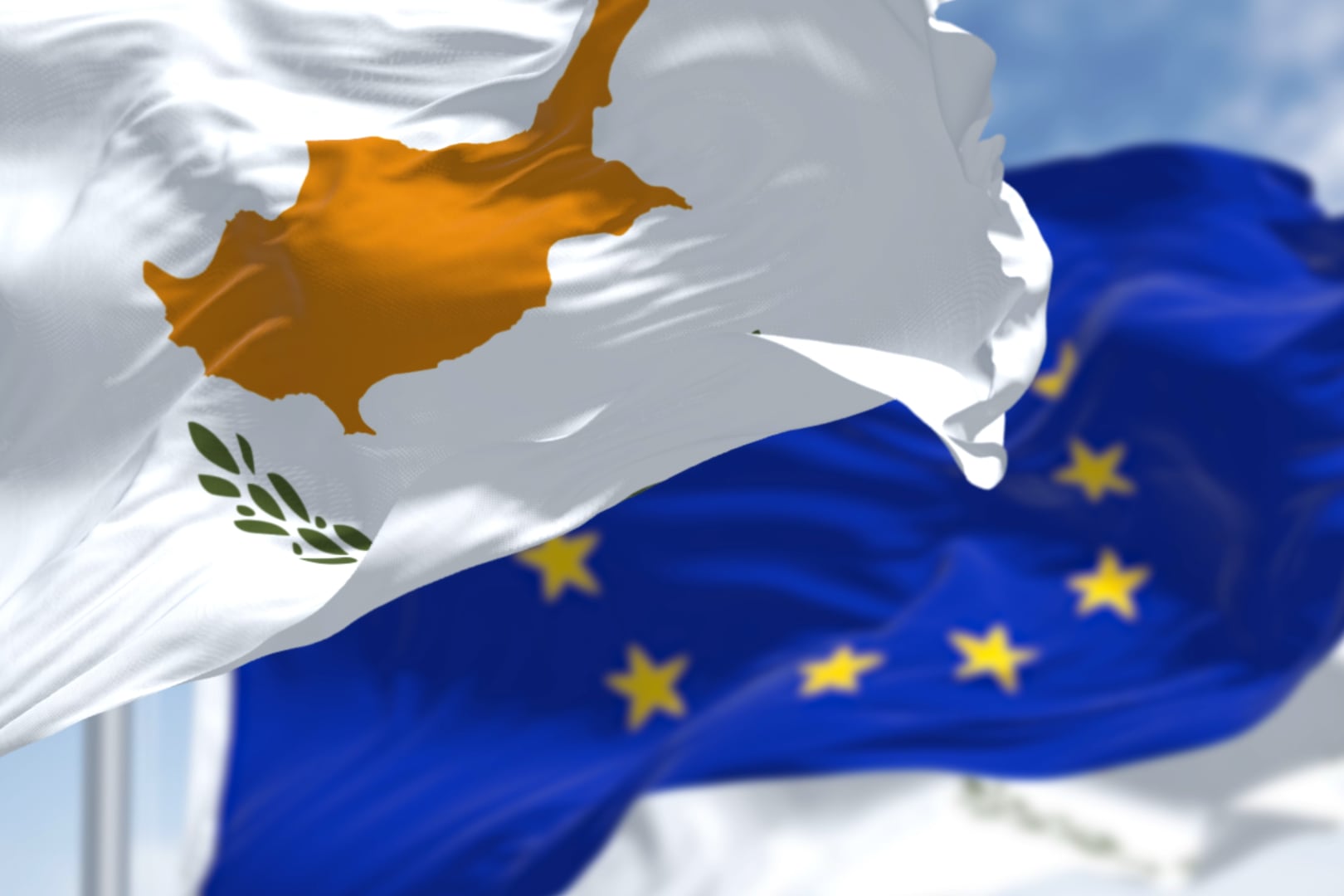
In this sense, the recently concluded Cypriot presidency of the Council of the European Union leaves a clearly positive impression. During the six months that elapsed between January 1 and June 30, 2026, Cyprus has exercised a presidency marked by institutional discretion, but also by a remarkable ability to maintain the political momentum of the Union at a particularly complex time. Far from seeking grand gestures, Nicosia has focused its efforts on facilitating agreements, preserving cohesion among member states, and ensuring the continuity of legislative work in an international scenario dominated by geopolitical uncertainty.
Under the slogan “An Autonomous Union. Open to the World”, the Cypriot presidency structured its program around five major priorities: strengthening security and defense, boosting European competitiveness, enhancing the international projection of the Union, consolidating the European model of rights and social cohesion, and advancing the negotiation of the next Multiannual Financial Framework. The combination of these priorities responded to a diagnosis shared by the majority of member states: Europe needs to simultaneously strengthen its internal capacity for action and its external influence to respond to an increasingly demanding international context.
One of the main achievements of the semester has been the advancement of the enlargement process. The Cypriot presidency managed to keep negotiations open with candidate countries and favored significant progress on the files of Ukraine, Moldova, Montenegro, and Albania. Particularly relevant was the opening of the first negotiating block with Ukraine and Moldova, considered by numerous European institutions as one of the most important political milestones of the semester. At the same time, technical work continued to accelerate negotiations with other Western Balkan countries, maintaining the European commitment to an enlargement based on compliance with objective criteria and respect for the rule of law.
Another major challenge of the presidency has been the negotiation of the future Multiannual Financial Framework. Although it was evident that no semester could close an agreement of such complexity, Cyprus managed to structure the political debate among member states and present the first compromise proposals on a budget that must simultaneously respond to the new strategic priorities of the Union and the budgetary limitations of numerous national governments. The negotiations have highlighted the existing differences between net contributor countries and the main recipients of European funds, but they have also allowed for the delineation of the main areas on which the Irish presidency will continue to work.
Economic competitiveness has also occupied a priority place. The presidency promoted debates on regulatory simplification, innovation, digitalization, industry, and strengthening the single market, aware that Europe needs to reduce the technological gap with the United States and China. Much of the work developed during these months has consisted of preparing future legislative decisions aimed at improving the European business environment and strengthening the economic autonomy of the Union without renouncing its traditional trade openness.
Security and defense have continued to be another major axis of the semester. The persistence of the war in Ukraine, the growing instability in the Middle East, and the evolution of the international context have reinforced the willingness of member states to move towards greater European response capacity. In this area, the Cypriot presidency has contributed to consolidating the debate on civil and military preparedness, strengthening the European defense industry, and improving cooperation among community partners.
Also, migration policy has continued to occupy a prominent position. As a country located on one of the external borders of the Union, Cyprus has maintained a particularly active position in favor of balanced management that combines effective border protection with greater solidarity among member states and enhanced cooperation with countries of origin and transit. Although national differences continue to hinder definitive agreements, the semester has allowed for the maintenance of an essential dialogue for European stability.
The institutional balance is also satisfactory. The presidency has managed to coordinate hundreds of technical, ministerial, and high-level meetings, ensuring the continuity of the Council’s work and preventing the main files from being paralyzed. This work, less visible to public opinion than major political announcements, constitutes precisely one of the essential functions of any rotating presidency and represents one of the main merits of the Cypriot semester.
Naturally, not all objectives have been fully realized. The deep existing differences over the European budget, industrial policy, defense financing, or some aspects of institutional reform will continue to condition the agenda for the coming months. The presidency could not resolve on its own issues that depend on the consensus of the Twenty-Seven. However, it has managed to preserve the necessary negotiating climate for those files to continue advancing.
Overall, it can be said that the Cypriot presidency leaves a favorable assessment. It has demonstrated that European leadership is not always measured by the number of major decisions made, but by the ability to keep the Union united when the international context invites fragmentation. Cyprus has exercised an effective, balanced, and deeply European presidency, contributing to reinforce institutional continuity and to prepare the ground for Ireland to face the next semester with negotiations already underway. At a time when Europe needs more cohesion than prominence, this constitutes, probably, the greatest legacy of the Cypriot presidency.