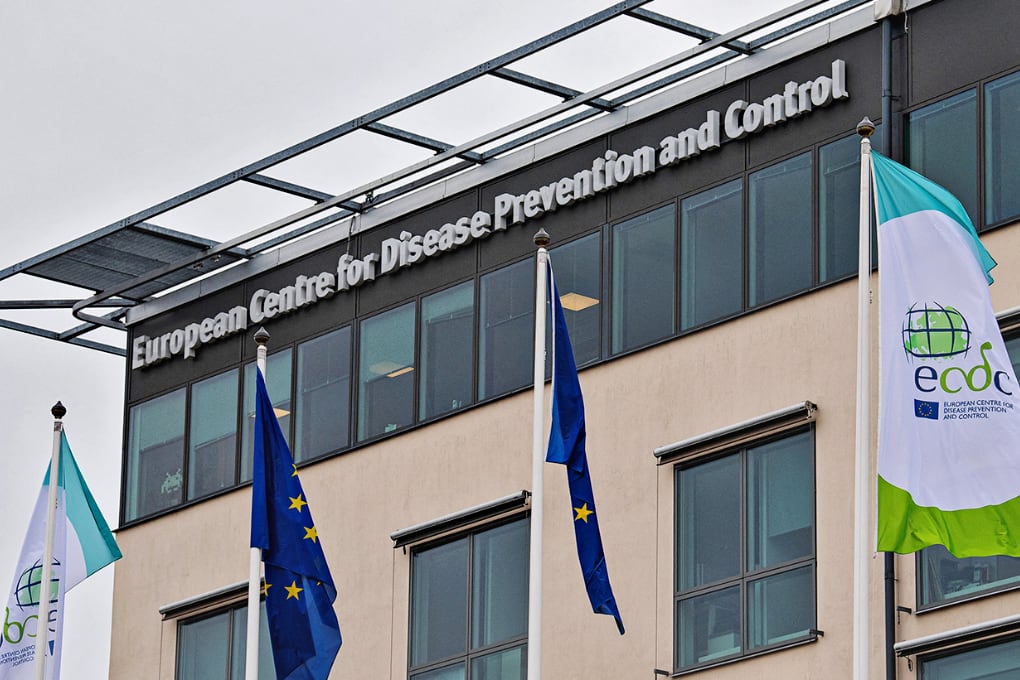
The European Commission is taking steps to coordinate and support the responses of national authorities to the Hantavirus outbreak, although the European Centre for Disease Prevention and Control considers that, at this time, the risk to the population is very low, given that adequate prevention and infection control measures are being implemented.
Since the activation of the EU Civil Protection Mechanism by Spain on May 6, the Emergency Response Coordination Centre of the EU has facilitated the safe evacuation of people aboard the MV Hondius cruise ship.
Five repatriation flights coordinated by the EU already took place on Sunday, May 10. The flights, which departed from Tenerife, where the cruise ship was anchored, were carried out by France, Spain, the Netherlands, Greece, and Ireland. A sixth and final flight, operated by the Netherlands, took place yesterday.
The Commission is also mobilizing response capacities and reserves from its strategic reserve. It has prepositioned a medical evacuation aircraft from the EU fleet in Tenerife and housed it in Norway. Additional transport, logistical capacities, and protective equipment are ready to be deployed if necessary.
The Emergency Response Coordination Centre has deployed a liaison officer in Tenerife to support on-site coordination with the relevant authorities throughout the operation. The European Centre for Disease Prevention and Control deployed two experts from the EU Health Task Force on the ship before disembarking the individuals.
In addition to the EU Civil Protection Mechanism, the Commission is also supporting the health response to the Hantavirus outbreak. It is helping to drive a joint European response, working closely with Spain (where the cruise passengers disembarked), member states, countries participating in the Civil Protection Mechanism, the ECDC, the World Health Organization, and G7 partners.
The Health Security Committee, chaired by the Commission, is bringing together national health authorities and helping to harmonize measures for the safe disembarkation, repatriation, and monitoring of passengers.
Coordination is ongoing, with daily meetings of the EU Civil Protection Mechanism, the Health Security Committee, or specific multilateral contacts. This allows authorities to share the latest information, adjust operational plans, monitor any potential cases, and keep the European response aligned as the situation evolves.
The Commission’s priority is to protect citizens, support those directly affected, and help member states move forward quickly together, based on the latest data.
Hantaviruses were included in the comprehensive assessment of threat prioritization for health for 2025 in view of the adoption of medical countermeasures, as part of the Commission’s work for better preparedness. Consequently, the Commission has been funding the development of medical measures to combat this health threat. Competitive calls for proposals were organized to promote promising candidate vaccines and therapies against hantaviruses.
The revised 2022 Regulation on serious cross-border health threats provides a solid legal framework to enhance the EU’s capacity in vital areas of prevention, preparedness, surveillance, risk assessment, early warning, and response. One such mechanism is the EU Health Task Force, led by the ECDC, where experts can be sent to support countries in Europe and around the world, providing advice on operational response to outbreaks and preparedness for crises related to communicable diseases or diseases of unknown origin.
Any country can request assistance through the EU Civil Protection Mechanism. Subsequently, the Emergency Response Coordination Centre coordinates and mobilizes support, including emergency medical teams, mobile laboratories, countermeasures and medical equipment, and specialized medical expertise. It can also coordinate and co-finance medical evacuations or repatriation flights, depending on identified needs.
The European Centre for Disease Prevention and Control publishes a daily outbreak update with the latest figures, case definitions, and risk assessment for the population of the EU and the European Economic Area.