


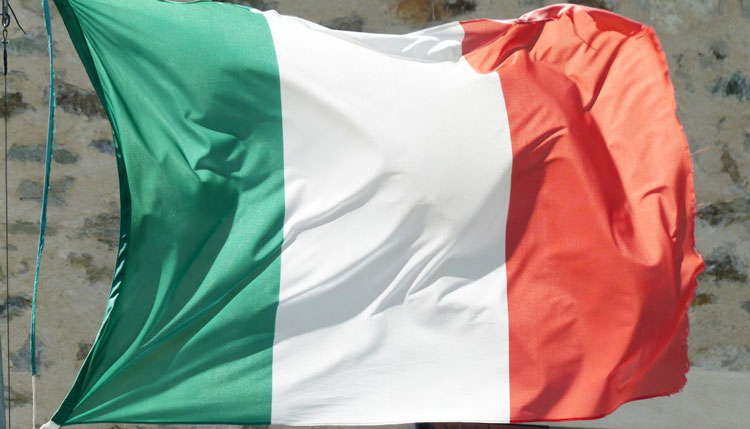
This year 2026, Italians and friends of Italy are celebrating. The Republic is turning 80 years old and is in excellent health. On June 2, 1946, in a war-torn Italy that had just ended a year earlier, elections were held for the constituent assembly, the first step in the process that would lead to the Constitution of 1947, which came into effect in 1948. At the same time, a referendum was also held to decide the change from a monarchy to a republic. This second option won with more than 54% of the votes.
This transformation of Italy marked the course of the country in the post-war period. It was a true break with fascism and, in this sense, Italian democracy was built on the sacrifice and suffering of the past decades: fascism, war, civil fracture… Italy looked to the future to overcome the past. The elections and the referendum symbolized that change: it was a national vote in which women fully participated, and one could speak of a fully modern citizenship. The republic represented – and still represents today – for many Italians the beginning of a democratic era after authoritarianism and the world conflict and is a symbol of national unity and citizen participation.
It was also a time of seeking reconciliation and understanding. The Republic and the constitutional order would arise from the commitment between Christian democracy, socialists, communists, liberals, and republicans. It was a true commitment to national reconstruction without anyone being able to claim a monopoly on patriotism. In the reconstructed Italy, individual rights, social rights, the parliamentary system, and limits on power that had been disappearing in the previous decades would coexist.
“Italy is a democratic Republic founded on labor,” states Article 1 of the Constitution approved by the Constituent Assembly on December 22, 1947. The country would be the epicenter of the great labor and union struggles of the Cold War years. The dignity of the human being, realized in work, citizen participation, and workers’ rights would be at the center of political and union debates in the years to come. To this day, the social issue – precariousness, youth, migration, territorial inequality, and the crisis of the social state – remains at the heart of political life.
It was not enough to declare that all citizens are equal. Article 3 requires “the removal of economic and social obstacles that, by limiting the freedom and equality among citizens, impede the full development of the human person and the effective participation of all workers in the political, economic, and social organization of the Country.” From there, discussions in Italy must address gender gaps, north-south inequality, or access to education, housing, and healthcare.
The republican order will distrust centralized power. A strong Parliament, a President of the Republic as a guarantor of the constitutional order, a Constitutional Court, judicial independence, regional autonomies, and the aggravated procedures for reform will give the republican Constitution enormous solidity.
The Italian republican system today represents the best of the European legal tradition after World War II: pluralism, social rights, the parliamentary republic, Europeanism, judicial independence, limited power, and so many legal and political institutions that have given the country the conditions for development and prosperity that have placed it in 8th place worldwide by nominal GDP and among the great European powers alongside Germany and France.