


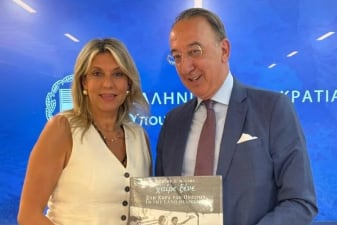
Greece and Spain are considering signing a Memorandum of Understanding to deepen their cooperation in the tourism sector, according to a statement issued by the Greek Ministry of Tourism at the end of the meeting held on June 17 in Athens between the Deputy Minister of Tourism, Anna Karamanli, and the Ambassador of Spain, Jorge Domecq.
The statement, sent by the Embassy of Greece to DiplomacyNews, states that “it is expected that this agreement will strengthen collaboration in areas such as tourism promotion, investment, and the exchange of best practices in sustainability and innovation.” Furthermore, both countries are committed to “training and developing skills in the tourism sector as a key factor for the continuous improvement of service quality.”
Both parties highlighted that Greece and Spain, “by sharing a common Mediterranean identity and European values, maintain strong and multifaceted ties, especially in tourism, a strategic pillar of both economies and a key driver of growth, employment, and social cohesion,” according to the statement from the Greek Ministry.
The meeting emphasized the common challenges faced by both countries as leading global tourist destinations, including the need to “ensure balanced and sustainable growth, protect local communities, and preserve natural and cultural heritage.”
During the meeting, both parties reiterated, in addition to confirming the close cooperation they maintain in the tourism sector, their commitment to promoting a high-quality tourism model focused on sustainability and the resilience of the destination.
On the other hand, Karamanli and Domecq agreed on the importance of coordination in international forums, such as UN Tourism (formerly the UNWTO), “where mutual support and alignment contribute to strengthening Europe’s voice in global tourism matters.”
At the European level, both parties reiterated their close cooperation and commitment to developing the European Strategy for Sustainable Tourism, aimed at improving the sector’s competitiveness, promoting ecological and digital transition, and strengthening the resilience of the European tourism ecosystem.
Karamanli described Spain as “a strategic partner for Greece,” noting that “both countries share a common vision of a more sustainable, resilient, and quality-focused tourism sector.”
The Greek Deputy Minister expressed her confidence that a closer cooperation will contribute to improving national tourism policies as well as shaping a stronger European and international framework for the sector.