We are in travel season, and when thinking of a dangerous trip, we often imagine sharks, snakes, or wild animals, but the reality is usually much less cinematic. Every year, many more travelers fall ill from a mosquito bite, heatstroke, or altitude-related problems than from encounters with large predators.
The World Health Organization (WHO), the European Centre for Disease Prevention and Control (ECDC), and the Ministry of Health warn that millions of people travel each year to areas where mosquito-borne diseases remain a significant public health problem. Before traveling, it is advisable to visit an International Vaccination Center for personalized information, as the risk varies depending on the country, specific area, time of year, duration of the trip, type of stay, and characteristics of each traveler.
Malaria, also known as paludism, remains one of the main health risks in many tropical regions. According to the WHO, it caused around 282 million cases and 610,000 deaths in 2024. For travelers, prevention is based on avoiding bites and, in some destinations, taking preventive medication under medical prescription.
Dengue, transmitted by the Aedes mosquito, has spread across large areas of Africa, Latin America, the Caribbean, and Southeast Asia. No country currently requires vaccination to enter its territory, and the best protection remains avoiding bites. The same mosquitoes can also transmit diseases such as chikungunya or zika, the latter especially relevant during pregnancy.
Yellow fever continues to be present in some areas of Africa and Latin America. Some countries require an international vaccination certificate from certain travelers, so it is advisable to always check entry requirements before traveling. A single dose offers lifelong protection in most cases.
Depending on the destination, vaccines against diseases such as hepatitis A, typhoid fever, or rabies may also be recommended.
In some regions of Africa, outbreaks of ebola, a severe viral disease transmitted through direct contact with infected people or animals, can also occur. The risk for tourists is usually very low if health authorities’ recommendations are followed when there is an active outbreak.
Animals that deserve respect
In northern Australia, there are alert systems for the presence of saltwater crocodiles and box jellyfish, including the sea wasp (Chironex fleckeri), whose sting can be fatal. In Africa, some of the more well-known risks include hippos, elephants, and venomous snakes like the black mamba or the gaboon viper. In the Amazon, snakes of the genus Bothrops, known as jararacas, are more common.
As already mentioned, incidents with wild animals are infrequent, although it is always advisable to follow the guidance of local guides and authorities.
The climate and the environment
In the world’s major mountain ranges, altitude sickness can occur from 2,500 meters and cause symptoms ranging from headaches and fatigue to severe complications. In these cases, the main recommendation is to ascend gradually and descend if symptoms worsen.
In desert areas like Death Valley in the United States or the Sahara in North Africa, temperatures can easily exceed 45 °C during the summer, and the main danger is heatstroke. Without adequate hydration, rest, and protection from the heat, the situation can quickly worsen and become life-threatening.
Hurricanes, typhoons, and floods
Choosing the right date for travel is as important as selecting the destination. Between June and November, the Caribbean and the Atlantic region experience hurricane season, with peak intensity between August and October. In much of Southeast Asia, monsoon rains usually concentrate between May and October.
These phenomena can cause flooding, transportation disruptions, and difficulties accessing certain services. Additionally, floods promote the spread of some diseases related to contaminated water, such as cholera or leptospirosis. Nevertheless, these times do not necessarily imply discouraging travel, although they do require more careful planning and monitoring of local weather and health alerts.
Coverage and assistance at the destination
The distance to the nearest hospital and the responsiveness of medical evacuation services and consular assistance can make a significant difference.
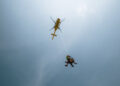
Embassies and consulates can provide guidance and emergency assistance, but they do not cover the costs of private hospitalization or medical repatriation, which are entirely the responsibility of the citizen’s travel insurance. In some countries, hospitalization, a helicopter rescue, or a medical evacuation can incur very high costs. Therefore, health organizations recommend obtaining appropriate insurance before traveling.
In short, mosquitoes cause more problems than sharks, extreme heat is often more dangerous than wildlife, and good planning can reduce many of the threats associated with the most demanding destinations on the planet.