The visit of Pope Leo XIV to the island of Gran Canaria yesterday Thursday marked a historic milestone for the archipelago. From one of the main points of arrival of the Atlantic migration route, the pontiff called for a “self-examination” in light of the humanitarian crisis faced by thousands of people trying to reach Europe and demanded responsibility, humanity, and political commitment.
Gran Canaria experienced a historic day yesterday Thursday with the arrival of Pope Leo XIV, the first pontiff to officially visit the Canary Islands. In an agenda marked by direct contact with the social and human reality of the archipelago, the pope placed the migration issue at the center of his message, turning his visit to the island into a powerful international voice for one of Europe’s most fragile borders.
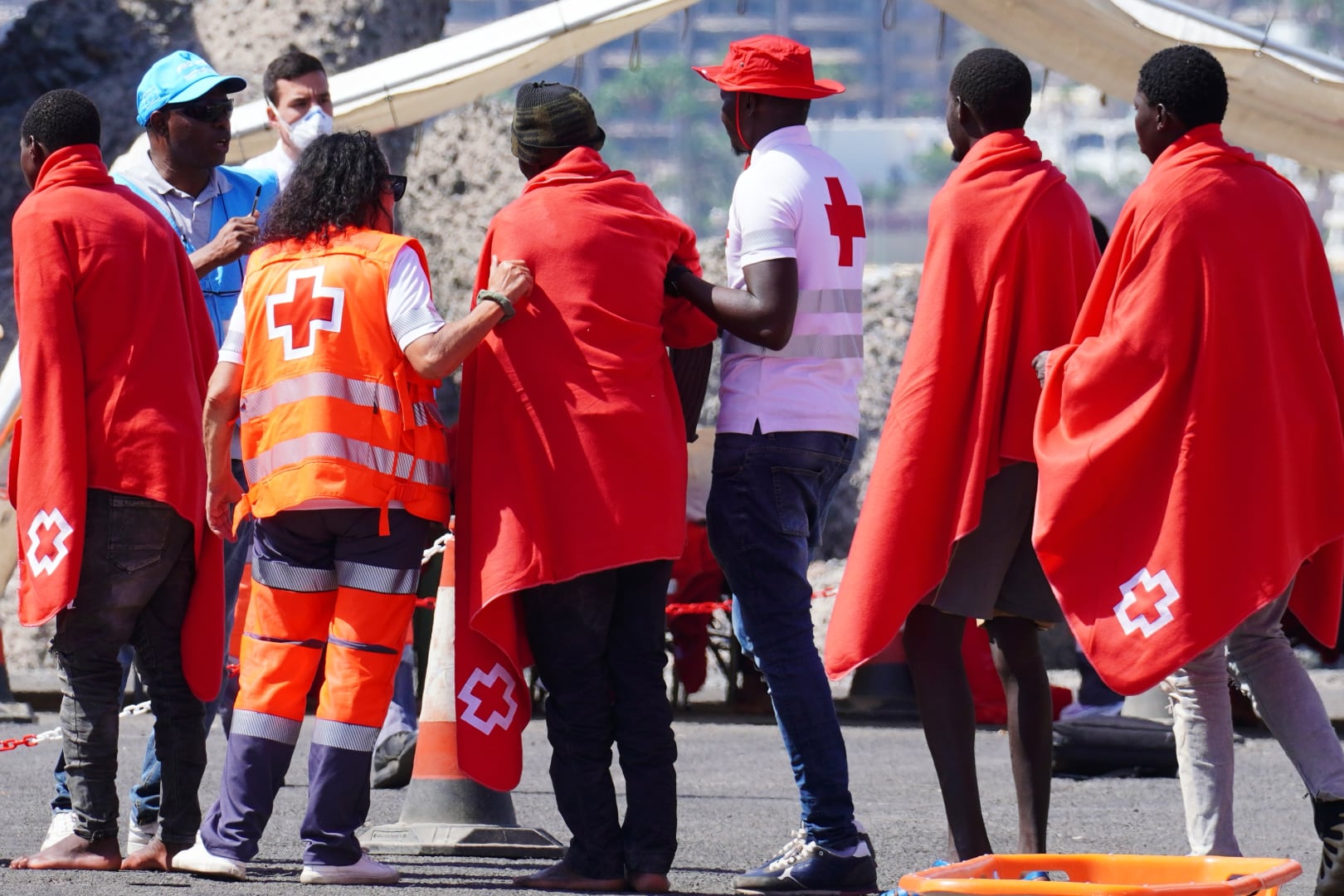
The first event of the day took place at the Arguineguín dock, one of the most symbolic locations of the Atlantic route, where thousands of migrants have arrived in recent years after risking their lives in the ocean. There, before migrants, volunteers, and authorities, the pontiff delivered a speech with great moral and political weight. “Europe cannot get used to its waters being cemeteries without tombstones,” he warned, denouncing the normalization of human tragedy at sea.
In his address, the pope directly appealed to governments and European institutions to promote legal and safe migration pathways. “It is not enough to manage arrivals, distribute numbers, reinforce borders, or lament deaths when they have already occurred. We cannot resign ourselves to counting the dead. This drama must become a collective self-examination,” he stated, calling for a response based on human dignity and international cooperation.
The event in Arguineguín was filled with symbolism. The holy father made a floral offering in memory of those who have died at sea and blessed a cross made from wood of cayucos used in the Atlantic crossing, a gesture that moved those present and reinforces the message of memory and justice for the victims.
After this meeting, the pope traveled to the Catedral de Santa Ana in Las Palmas de Gran Canaria, where he held a meeting with bishops, priests, religious, and pastoral agents, to whom he expressed his gratitude for the support they provide in the islands. “I thank you for this generous work of charity and mercy,” he affirmed.
The day culminated in the afternoon with a mass attended by thousands at the Gran Canaria stadium, which is estimated to have been attended by 80,000 faithful from all the islands. This event reinforces the historic nature of a visit that has placed the Canary Islands at the center of the European ethical and humanitarian debate.
The visit of Pope Leo XIV concludes this Friday, June 12, on the island of Tenerife, where he will meet with migrants at the Las Raíces reception center and celebrate a mass at the port of Santa Cruz de Tenerife.